Uniting Forces: Organizations Poised to Shape Scotland’s Care Connect AI
A deep dive into how Scottish Government agencies, NHS, local councils, ALLIANCE, SCVO, charities & more could collaborate on an AI-powered 'No Wrong Door' chatbot for seamless care access.

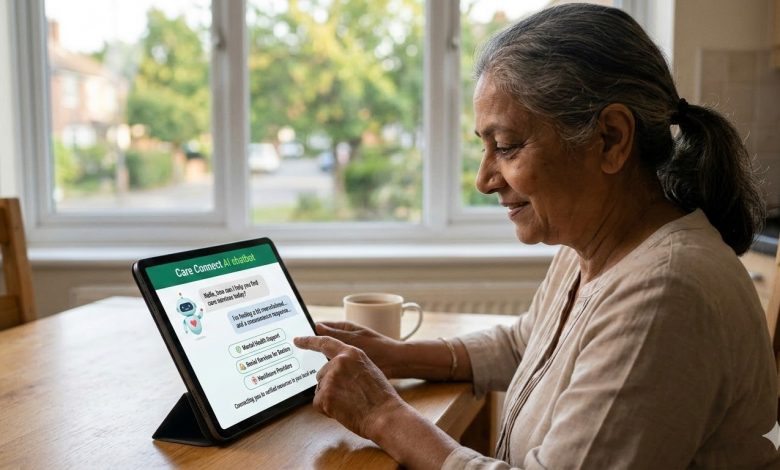
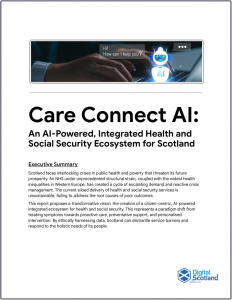 In an era where digital innovation meets social welfare, Scotland’s Care Connect AI emerges as a groundbreaking blueprint for transforming how care services are accessed and delivered.
This AI-powered platform aims to create a seamless “No Wrong Door” experience, where users can engage in natural, conversational interactions to navigate a unified network of support from third-sector organizations and government agencies.
By aggregating data into a federated knowledge base and employing a central data hub, the system ensures instantaneous, personalized assistance—whether for health advice, appointment management, or emotional support—without the frustration of siloed services.
As Scotland moves toward implementing this vision, a diverse array of organizations stand ready to participate, each bringing unique expertise to foster a more inclusive, efficient care ecosystem. Below, we explore a high-level overview of potential key players from government and the third sector, along with their prospective roles.
Government Agencies: The Backbone of Statutory Support
Government entities in Scotland form the foundational layer of social care, overseeing policy, regulation, and large-scale service delivery. Their involvement in Care Connect AI would likely focus on providing authoritative data, ensuring compliance, and integrating public services into the platform’s AI interface. Key agencies include:
- Scottish Government Health and Social Care Directorates: As the central policy-making body, this directorate drives initiatives like the National Care Service, which aims to standardize high-quality care across the nation. In Care Connect AI, they could lead on overarching strategy, funding allocation, and policy alignment, ensuring the platform adheres to national priorities such as integrated health and social care.
- NHS Scotland and Territorial Health Boards: Comprising 14 regional boards responsible for population health and frontline services, NHS Scotland collaborates with local authorities to deliver healthcare. Their role might involve feeding real-time health data into the federated knowledge base, enabling the chatbot to offer personalized medical information, manage appointments, and connect users to urgent care without redirection.
- Health and Social Care Partnerships (HSCPs) and Integration Joint Boards (IJBs): With 31 HSCPs across Scotland, these entities integrate adult social care, primary health, and hospital services, often extending to children’s and criminal justice support. They could act as regional hubs, contributing localized data and co-designing the AI interface to address community-specific needs, such as rural access or urban mental health challenges.
- Local Authorities (Councils): Scotland’s 32 councils handle social care assessments, home help, and independent living support. In the platform, they might provide user authentication via Chatbot ID, streamline eligibility checks for services like free personal care, and ensure the AI respects local variations in service provision.
- Care Inspectorate and Healthcare Improvement Scotland (HIS): As national regulators, the Care Inspectorate oversees care standards, while HIS focuses on quality improvement. Their participation could involve monitoring the platform’s ethical AI use, auditing data security, and advising on inclusive design to protect vulnerable users.
- Social Security Scotland: This agency administers benefits and supports for carers and those with disabilities. It could integrate benefit-related queries into the conversational interface, offering non-judgmental guidance on entitlements.
These agencies, already linked through frameworks like the Public Bodies (Joint Working) (Scotland) Act 2014, are well-positioned to supply the “single version of the truth” via the central data hub, reducing administrative burdens and enhancing service continuity.
Third-Sector Organizations: Champions of Community-Driven Care
The third sector—encompassing charities, social enterprises, and voluntary groups—brings grassroots expertise, advocacy, and specialized support to Scotland’s social landscape.
With over 3,500 organizations, this vibrant network could enrich Care Connect AI by infusing empathy, innovation, and targeted interventions into the AI’s knowledge base. Their roles might emphasize user co-design, content curation, and bridging gaps in statutory services.
- Health and Social Care Alliance Scotland (the ALLIANCE): As the national third-sector intermediary for health and social care, the ALLIANCE represents a vast membership and advocates for lived-experience integration. They could facilitate collaboration, co-design the chatbot with vulnerable groups for accessibility, and contribute insights on inclusive communication to ensure the AI serves diverse populations.
- Scottish Council for Voluntary Organisations (SCVO): The umbrella body for Scotland’s charities and social enterprises, SCVO supports sector growth and policy influence. In Care Connect AI, they might advocate for third-sector involvement, provide training on digital integration, and help aggregate community data to power the platform’s personalized responses.
- TSI Scotland Network (Third Sector Interfaces): Comprising 32 local interfaces, this network promotes and develops third-sector activities in each council area. They could serve as local connectors, identifying regional partners and ensuring the AI reflects grassroots needs, such as volunteering opportunities or community events.
- Coalition of Care and Support Providers in Scotland (CCPS): Representing non-profit providers, CCPS safeguards interests in social care delivery. Their role might include supplying specialized service data, like residential care options, and collaborating on AI features for preventative care.
- Specialized Charities and Groups: Organizations like Age Scotland (for elderly support), Scottish Association for Mental Health (SAMH) (mental wellbeing), Citizens Advice Scotland (advice on benefits and rights), Shelter Scotland (housing and homelessness), and Enable Scotland (disability services) offer niche expertise. They could contribute content for the knowledge base, such as plain-language health guides or loneliness companionship tools, and participate in testing the chatbot’s empathetic responses.
The third sector’s strength lies in its person-centered approach, which aligns perfectly with Care Connect AI’s goal of non-judgmental, accessible support. By partnering with government, these organizations can help redesign citizen-service relationships, emphasizing prevention and empowerment.
A Collaborative Future for Care in Scotland
Care Connect AI represents a bold step toward a truly integrated care system, where government agencies provide structure and scale, while third-sector organizations infuse humanity and innovation.
Potential participants, from the Scottish Government’s directorates to local charities, could collectively build a platform that eliminates barriers, fosters trust, and delivers equitable support. As stakeholders like the Convention of Scottish Local Authorities (COSLA) and Social Work Scotland emphasize collaborative leadership, this united front promises to not only streamline services but also enhance wellbeing across Scotland’s communities.
With ongoing consultations and pilots, the blueprint’s vision of AI for social good is within reach, paving the way for a more connected, compassionate nation.