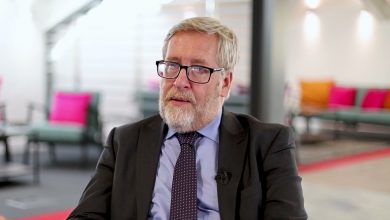
 Writing for The Herald the leader of the STA Marc Crothall issues a rallying cry for Scotland to become a leader in 21st century tourism.
With its dramatic landscapes, rich cultural heritage, vibrant cities, and world-renowned hospitality, the country possesses unparalleled assets to thrive in modern tourism.
Yet, as highlighted in the article, realizing this potential requires urgent political recognition and strategic action.
In an open letter to newly elected MSPs ahead of the Scottish Parliament elections, the Scottish Tourism Alliance (STA) made a compelling case.
Tourism is not a peripheral activity but a cornerstone of the economy—one that demands dedicated leadership and supportive policies to overcome current pressures and seize global opportunities.
The Current Strength and Economic Weight of Scottish Tourism
Recent data underscores the sector’s significance. Tourism supports approximately 245,000 jobs—around 1 in 11 jobs in Scotland—and sustains over 16,000 businesses. International visitors alone generated £4 billion in spend in 2024, with strong growth from key markets like the United States. Domestic tourism has also shown resilience, with notable increases in overnight trips and day visits.
These figures illustrate tourism’s role as a major employer, particularly in rural and island communities where other industries may be limited. It drives not only direct spending but also supports related sectors like food and drink, transport, and retail, contributing billions to GDP and helping fund public services.
Pressures Facing the Industry
The STA letter rightly emphasizes the challenges. Rising operating costs, skills shortages, high business rates, and housing pressures—especially in popular tourist areas—are squeezing businesses. Many small operators, which form the backbone of the sector (97% of tourism businesses are small), struggle with thin margins and limited cash reserves.
Post-pandemic recovery, global competition, infrastructure gaps (particularly in transport and digital connectivity), and the impacts of climate change add further complexity. Without intervention, Scotland risks losing ground to destinations that are more agile or better supported.
STA’s Call to Action: Practical Steps for Leadership
The Alliance’s recommendations provide a clear roadmap:
- Appoint a dedicated Cabinet Secretary or Minister for tourism and hospitality.
- Accelerate business rates reform.
- Develop a comprehensive Scottish Tourism and Hospitality Growth Plan.
- Address recruitment and retention through targeted skills initiatives.
- Invest in transport and digital infrastructure.
- Foster an environment that nurtures growth rather than stifling it with regulation.
As STA Chief Executive Marc Crothall stated: “Scotland has the opportunity to be a world leader in 21st-century tourism, but that will only happen if the sector is properly understood, prioritised and supported.” Warm words alone are insufficient; businesses need confidence to invest, innovate, and compete.
Building on the Foundation: Opportunities for 21st-Century Leadership
The STA’s vision aligns perfectly with emerging global trends. Modern tourists increasingly seek authentic, sustainable, and meaningful experiences. Scotland is well-positioned here, with its ambitious net-zero targets (2045), stunning natural environment, and growing reputation for responsible tourism.
Key areas to build upon include:
- Sustainable and Regenerative Tourism: Move beyond “do no harm” to models that actively benefit communities and ecosystems. This could involve expanding initiatives like the Green Tourism program, promoting low-impact activities (hiking, wildlife watching, cultural immersion), and managing overtourism at hotspots through better dispersal strategies and seasonal incentives.
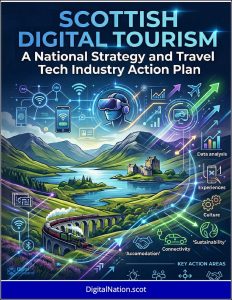
- Digital Innovation and Connectivity: Enhance digital infrastructure for seamless visitor experiences—think advanced apps for personalized itineraries, virtual previews of sites, and real-time sustainability data. Improved rural broadband and transport links (including air and ferry services) would unlock more remote areas.
- Skills, Workforce, and Community Wealth: Tackle labor shortages with training programs tied to hospitality, guiding, and eco-tourism. Prioritize “fair work” principles and community-led tourism models that ensure local benefits, reducing housing pressures from short-term lets while supporting year-round employment.
- High-Value, Experiential Offerings: Capitalize on strengths like whisky, golf, Highland culture, and emerging sectors such as wellness, dark skies tourism, and food tourism. Targeted marketing in high-spending markets, combined with events and festivals, can drive longer stays and higher spend.
- Climate Resilience and Green Credentials: Position Scotland as a global exemplar. Investments in renewable energy for tourism sites, carbon measurement tools for businesses, and nature-based solutions can attract eco-conscious travelers while future-proofing the industry.
VisitScotland’s strategies, including international marketing campaigns and trade events, have already delivered strong returns. A coordinated national growth plan, backed by cross-party support, could amplify these efforts dramatically.
A Call for Visionary Governance
The incoming Scottish Parliament has a chance to elevate tourism from an under-prioritized sector to a strategic national asset. By implementing the STA’s proposals and leaning into sustainability, innovation, and inclusivity, Scotland can transcend traditional tourism models. It can become a destination that offers not just visits, but transformative experiences—while delivering lasting economic, social, and environmental value.
The ingredients are here: world-class landscapes, passionate operators, and growing global demand for what Scotland uniquely provides. With the right policies—prioritization, investment, and partnership—21st-century tourism leadership is not just aspirational. It is achievable. The question for MSPs is whether they will provide the conditions for Scotland to seize it.