Scotland: Built to Go Viral? The Highland Hype Machine and Its Hilarious (and Hairy) Side Effects
Tourism is a multi-billion-pound industry in Scotland, but when social media algorithms turn remote locations into must-see hotspots, the consequences can be complicated.

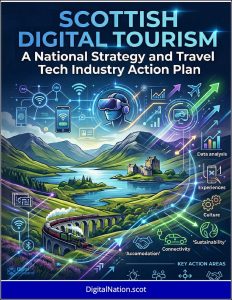 Picture this: You’re scrolling TikTok at 2 a.m., half-asleep, when suddenly a drone shot of misty mountains, a dramatic castle ruin, and a lone piper (probably) sends chills down your spine.
Next thing you know, you’re booking a flight to Scotland, campervan keys in hand, ready to live your Outlander fantasy.
Congratulations — you’ve just been algorithmically summoned to the land of kilts, lochs, and very confused sheep.
BBC News’s recent video dives deep into this phenomenon in “Was Scotland built to go viral?” It’s a fun, thoughtful look at how social media turned Scotland into a global must-see, with all the economic wins and “please don’t litter in my garden” headaches that come with it.
The Numbers Don’t Lie (But the Views Do Multiply)
Back in 2022, Instagram posts with #Scotland cracked 20 million. By 2026? Nearly 30 million and climbing. TikTok and Instagram have beamed images of Edinburgh, the Cairngorms, Skye, Glencoe, and especially the North Coast 500 (NC500) straight into the feeds of adventure-seekers worldwide.
Visitor stats back it up: Millions of overnight trips from Brits and international travelers in recent years. Tourism is a multi-billion-pound industry pumping life into rural economies. Small businesses — think cozy cafes at the end of a hike — report life-changing boosts from influencers shouting them out.
One content creator, Chris Lawlor (with millions of followers), shares how his walking videos have helped people’s mental health, inspired locals to explore their own backyard, and funneled visitors to supporting spots. He even avoids over-promoting already-busy places like Skye to keep things balanced.
Win for the win! Right?
But Then Reality (and Campervans) Hits
Not so fast. The video highlights the flip side with real talk from locals and reporters. The NC500, that epic road trip route, has seen an 83% increase in vehicles since 2014. Ninety percent of residents have spotted environmental damage. Campervans get called out specifically: they roll through, clog single-track roads, leave rubbish, and sometimes contribute little to the local economy while straining infrastructure.
Locals love the income but hate the noise, the blocked passing places, the pressure on housing (making it harder for people to live there long-term), and the wear on roads that weren’t built for endless tourist traffic. One resident sums it up poignantly: these are unspoiled places, and masses of visitors risk spoiling them. Edinburgh’s festivals bring cash but hammer services and infrastructure.
It’s the classic “Instagram vs. Reality” but for entire regions. A single viral video can turn a quiet spot with four parking spaces into a chaotic hotspot by the weekend. Infrastructure? Not always ready for that.
Scotland’s Secret Weapons: Right to Roam and Responsible Vibes
The video explains Scotland’s generous right to roam laws, which let you explore responsibly — a big draw, but one that requires everyone to play nice (leave no trace, respect locals, etc.). Efforts are underway to manage impacts: better promotion of lesser-known spots, infrastructure tweaks, and calls for more sustainable tourism.
Chris Lawlor’s tips (paraphrased for fun): Highlight local businesses, promote mental health wins from nature, focus on responsible exploration, and don’t just chase the next viral loch.
Building On It: How We All Win (Without Ruining the Highlands)
Scotland’s viral glow-up is mostly a good thing — it showcases incredible landscapes, boosts pride, funds conservation indirectly, and gets people moving. But the lesson is universal for any beautiful place going mega-viral (hello, Iceland, Bali, and Machu Picchu).
Pro tips for the next wave of visitors:
- Ditch the van pile-up. Support local B&Bs, pubs, and shops. Spread out — Scotland has thousands of hidden gems beyond the famous routes.
- Pack in, pack out. (And maybe pack some extra bin bags for the algorithm-blind.)
- Go shoulder season. Fewer crowds, better light for photos, happier locals.
- Be a storyteller, not just a taker. Share responsibly. Tag businesses. Show the “leave no trace” ethos.
- Locals-first mindset. Tourism thrives when communities thrive. Overdo it, and the welcome mat gets rolled up.
In the end, Scotland was kinda built for this — dramatic scenery, rich history, friendly people. Social media just turned the volume up to 11. The challenge now is keeping the magic without turning the Highlands into a theme park.
So next time you’re doomscrolling and a Scottish vista calls… go. Just go wisely. Your future self (and the sheep) will thank you.
What’s your dream Scottish spot — viral or secret? Drop it below. And remember: take only pictures, leave only footprints (and maybe a wee tip at the local cafe). 🏴